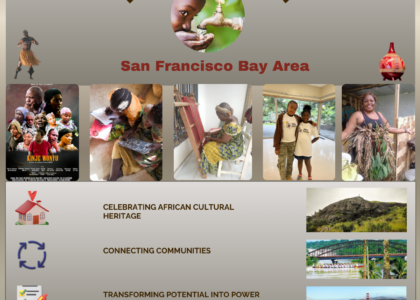


The first weekend of last October, the Bisai Cultural & Fundraising Festival in the Bay Area opened in Berkeley, California, on a Friday night to the steady pulse of Assiko rhythms, the rich aroma of Cameroonian dishes- Soya, Makala and soft drinks. From the start, it was clear this was more than a gathering—it was a living demonstration of how culture can unite and strengthen communities, inspire entrepreneurship, and connect people across countries and continents.
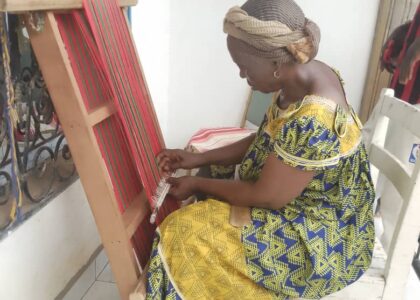
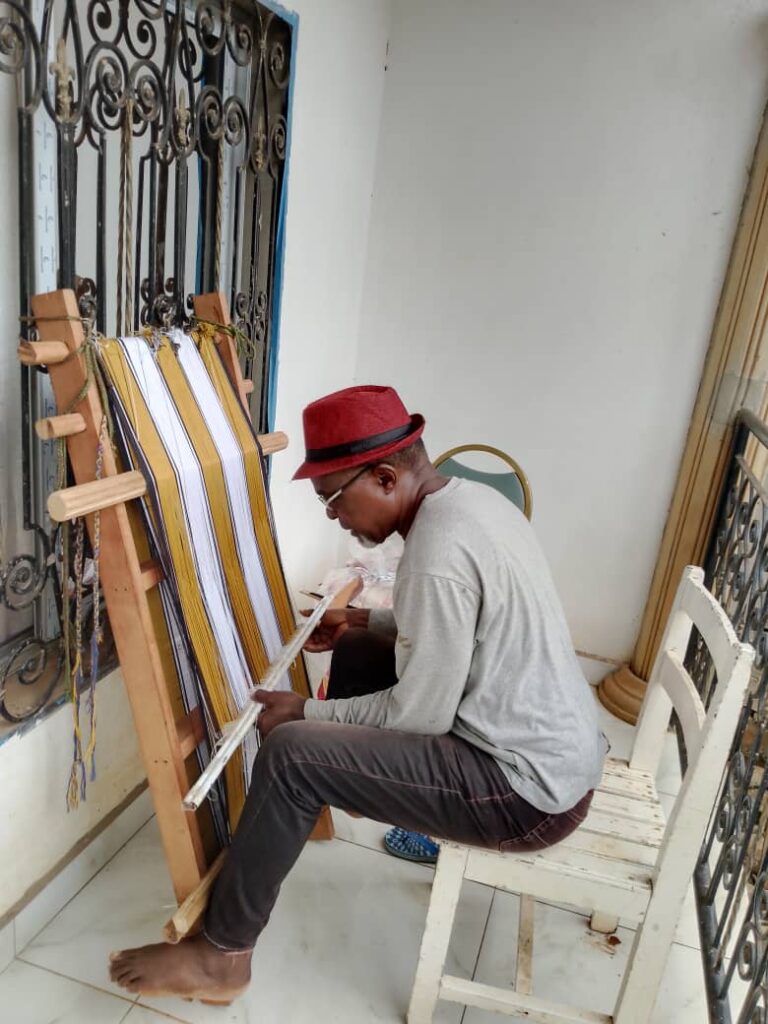
Organized by the Mbai Bassa Community (MBC), the festival offered a full immersion into the Bassa Mpoh Bati world. Attendees moved between spaces for learning, reflection, and celebration. The traditional weaving exhibit revealed techniques passed down for generations.
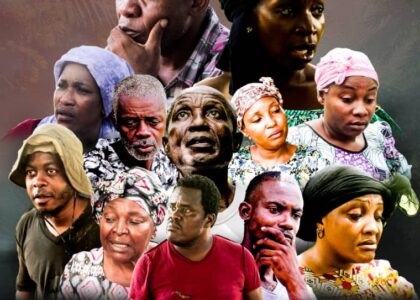
A documentary on the sacred Mbombog drew audiences into the spiritual lifeblood of the community. A day later at the gala, a dance performance by Jean Jacques Bikoi transformed the hall into a stage of memory and motion. Each moment was intentional, showing that strong communities grow from within, nurtured by those who carry their history forward.
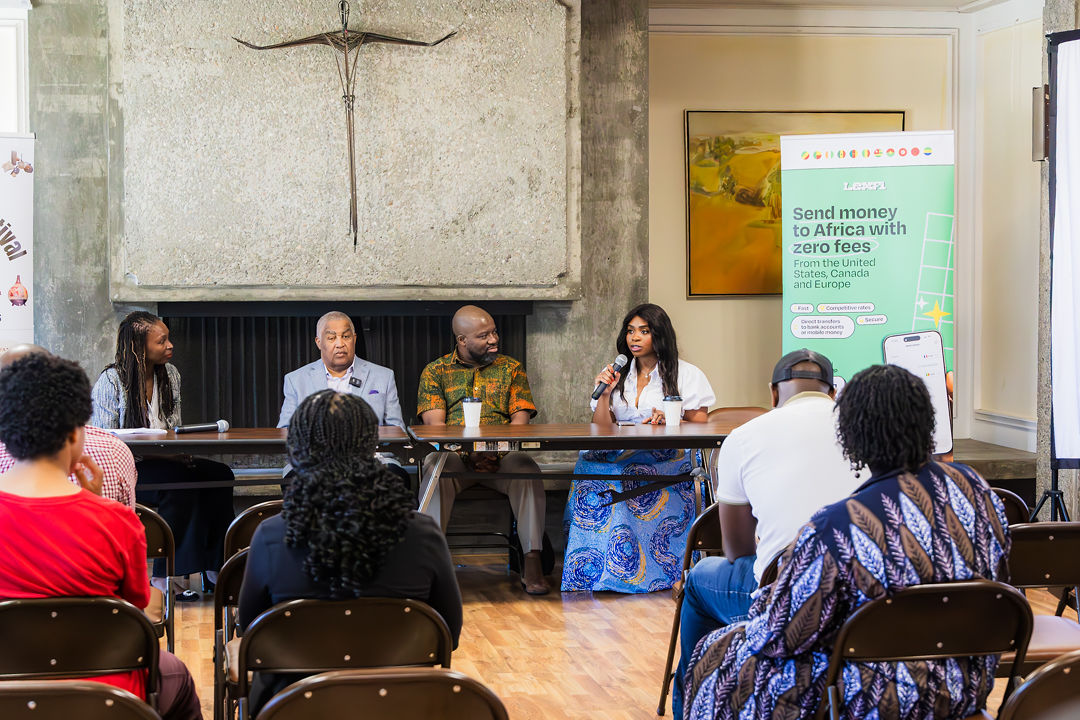
Beyond celebration, the festival served as a forum for ideas. Speakers like Eric Osiakwan of Chanzo Capital and Jeffrey S. Prickett of Stanford SEED, Sanford Livingston ofNor-Cal FDC, Marie-Ange Eyoum and Lira Ndifon shared insights on impact-driven entrepreneurship and sustainable growth. Yet the most powerful lessons were not only spoken—they were experienced in how the festival itself operated. Conversations, collaborations, and shared meals illustrated a principle often overlooked in development: lasting impact demands genuine partnership with the communities involved.
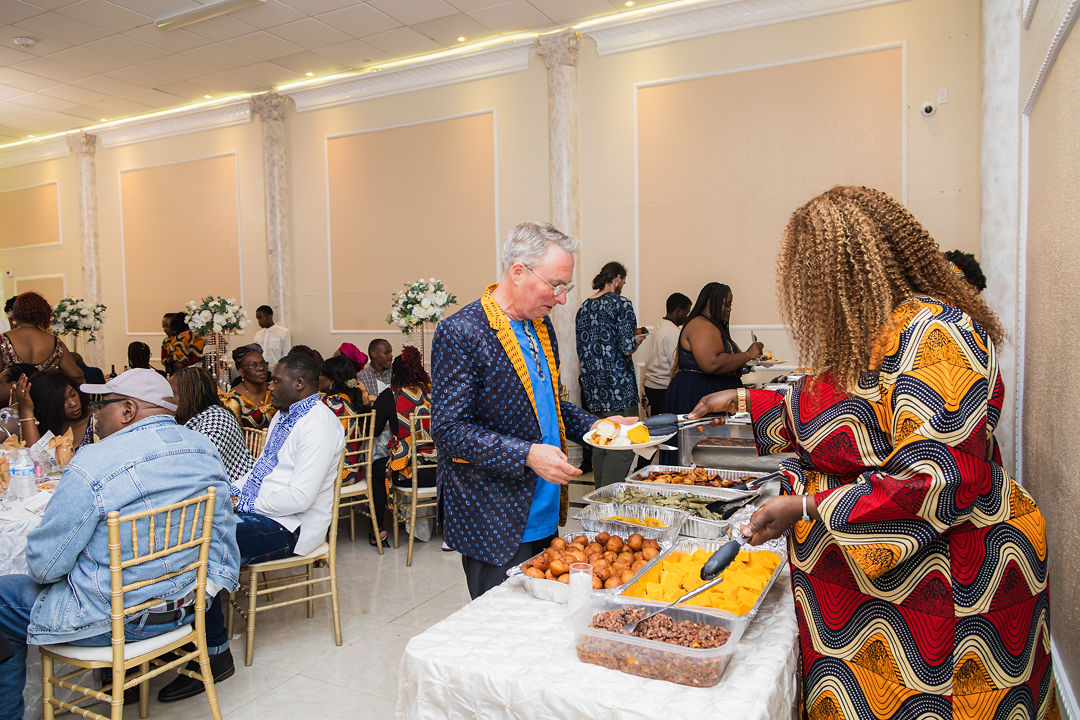
In a globalized world where cultural difference is often flattened for consumption, The Bisai Festival offered a different model. Culture is treated not as a display, but as participatory capital. Attendees were invited into traditions rather than positioned as observers. This approach demonstrates that heritage can be a source of social cohesion, identity, and economic imagination—foundations for sustainable, community-led enterprise.
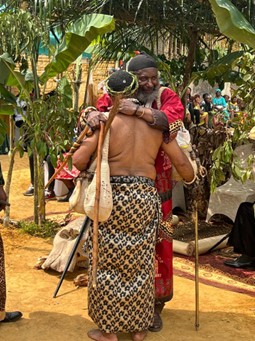
The festival also highlighted the Cameroonian diaspora’s unique role as a bridge. The festival proceeds and partnerships supported education in Cameroon, entrepreneurship, and local leadership—not charity, but strategic investment rooted in accountability. In the United States, diaspora communities engaged through social and economic ventures, transforming everyday interactions—a cup of coffee, a shared meal—into moments of storytelling and connection. Together, these two spheres create a reinforcing ecosystem where culture, community, and entrepreneurship amplify one another.
The 2025 Bisai Festival underscored a central lesson: the most effective change-makers are those deeply rooted in their communities, in tune with the pulse of that community, and investing in local vision over time. As the final day closed, the last glass of wine emptied, conversations lingered, and goodbyes unfolded slowly—a reminder that sustainable progress is continuous, not episodic.
The Bisai Festival does not offer a template for replication, but it provides something equally valuable: a blueprint for how cultural heritage can be leveraged as a force for empowerment, connection, and economic vitality. The celebration may pause, but the work it inspires continues—at home, abroad, and across generations.